

Hair cloning treatments are relatively new and are currently being researched in different countries around the globe. We see new technology and approaches introduced as more and more people begin to suffer from hair loss.
To perform a hair cloning treatment, a surgeon must extract hair follicle cells from the patient’s scalp (or donor area) and clone them in vitro. They later return the healthy cells to the recipient area, which encourages natural hair growth. After successfully cloning and placing the hair, the results may be long-lasting. However, some researchers have noted that cell multiplication during hair cloning could lead to cancer.
The FDA will not approve hair cloning until the risk of cancer decreases. Until then, our team at Aesthetic Scalp in Chicago is pleased to offer patients several proven and effective hair restoration options. Double board-certified facial plastic surgeon Dr. Anil Shah and board-certified physician Dr. Sameea Chughtai make a point to stay at the forefront of all the recent developments within the hair restoration industry.

Our Hair Restoration Treatments
While hair cloning may be a wonderful alternative in the future, our other modern solutions can produce stunning, natural results now. These include:
- PRP Therapy – Platelet-rich plasma drawn from the patient’s own blood is injected into the scalp to stimulate dormant follicles and accelerate natural hair regrowth.
- Exosome Therapy – Exosomes derived from stem cells are applied to the scalp to deliver growth-promoting proteins directly to hair follicles, supporting cellular repair and enhanced hair density.
- Low-Level Laser Therapy (LLLT) – Therapeutic light energy penetrates the scalp at a specific wavelength to energize weakened follicles and encourage the regrowth of thicker, healthier strands.
- Follicular Unit Extraction (FUE) – Individual follicular units are harvested from the donor area and transplanted with exceptional precision using the ARTAS® Robotic Hair Transplant system to produce natural, permanent results.
- Follicular Unit Transplantation (FUT) – A carefully removed strip of donor tissue is dissected into individual grafts and transplanted into thinning or balding areas, making it a practical option for patients requiring a larger number of grafts in a single session.
- Forehead Reduction Surgery – Also known as hairline lowering surgery, this procedure surgically advances the frontal hairline to reduce the appearance of a high or broad forehead.
- Eyebrow Transplant Surgery – Hair follicles from the scalp are meticulously placed along the brow line to restore sparse or absent eyebrows with natural shape, direction, and density.
- Hair Growth Medications – Clinically proven prescription and topical treatments can slow the progression of hair loss and support follicle health, often used alongside other restoration procedures for enhanced outcomes.
Undergoing any kind of hair transplant is a personal decision. Our clinic can make recommendations based on the reasons for your hair loss and your cosmetic objectives. We also consider factors like the quality and quantity of your hair follicles. Many of these treatments can even be combined for comprehensive results.

When Can I Expect to Receive Hair Cloning?
As hair cloning has proven incredibly difficult to practice safely and effectively, it’s hard to put an exact timeframe on when it will be widely available. However, most medical professionals agree that it will not be until at least 2030 to 2035. Even once this treatment becomes available, we are still unsure about the long-term results that can be achieved with it. While hair cloning is still several years away, many similar techniques can provide comparable results right now.
Why Choose Aesthetic Scalp For Chicago Hair Restoration
Dr. Anil Shah is a double board-certified facial plastic surgeon whose fellowship training from NYU and Cornell has shaped his exceptional approach to hair restoration. As the only Chicago surgeon utilizing the ARTAS® Robotic Hair Transplant system, he combines technical mastery with artistic precision to deliver natural-looking, lasting results. His ongoing contributions as a clinical instructor and published researcher reflect a commitment to staying at the forefront of the field.
Dr. Sameea Chughtai brings a uniquely comprehensive perspective to hair restoration, merging her family medicine background with deep expertise in regenerative therapies and hormone-related hair loss. Her proficiency in PRP and exosome treatments allows her to address hair loss at the cellular level, and her personal experience with the condition gives her an empathetic understanding of what patients are going through.
Before & After Results
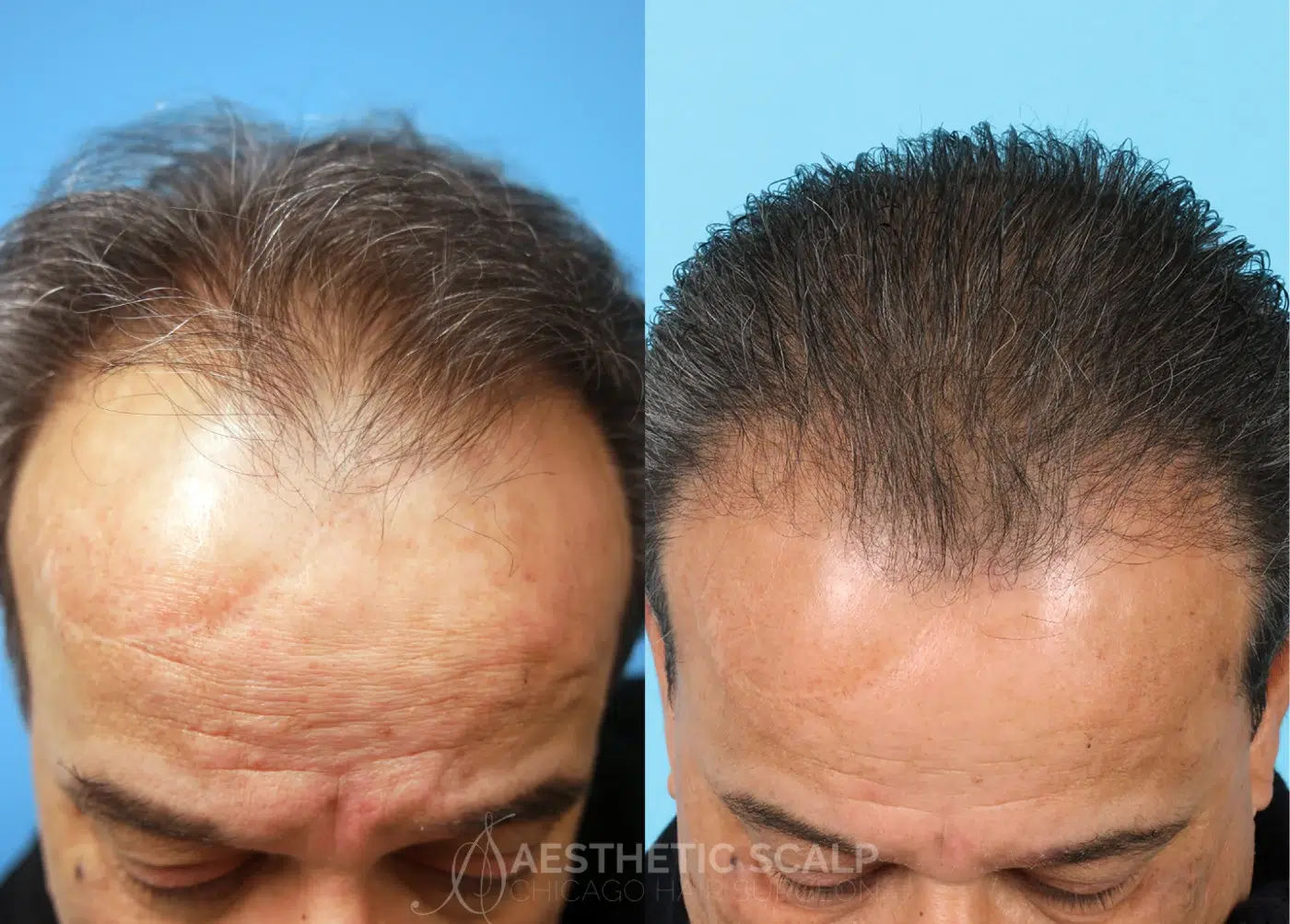
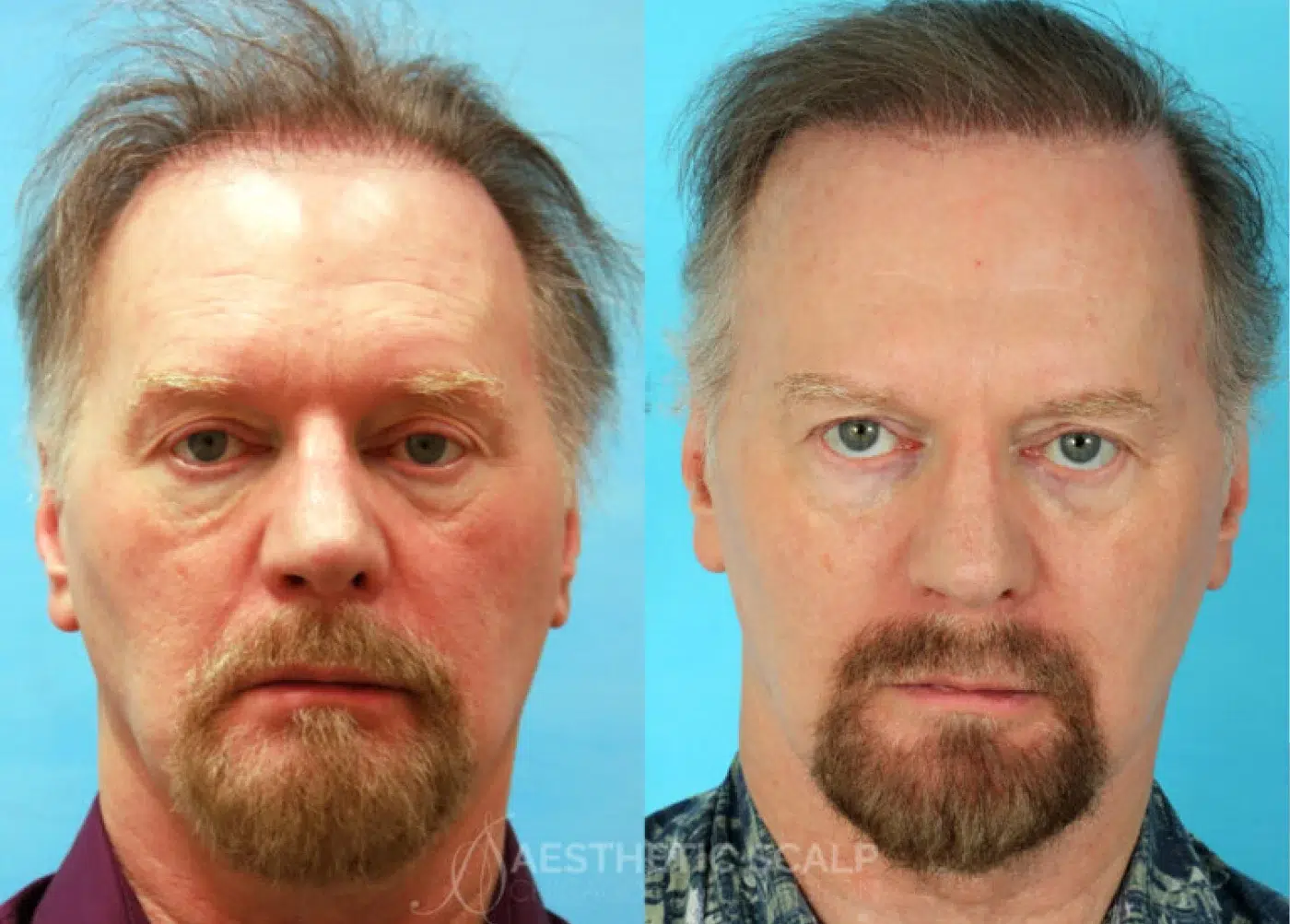
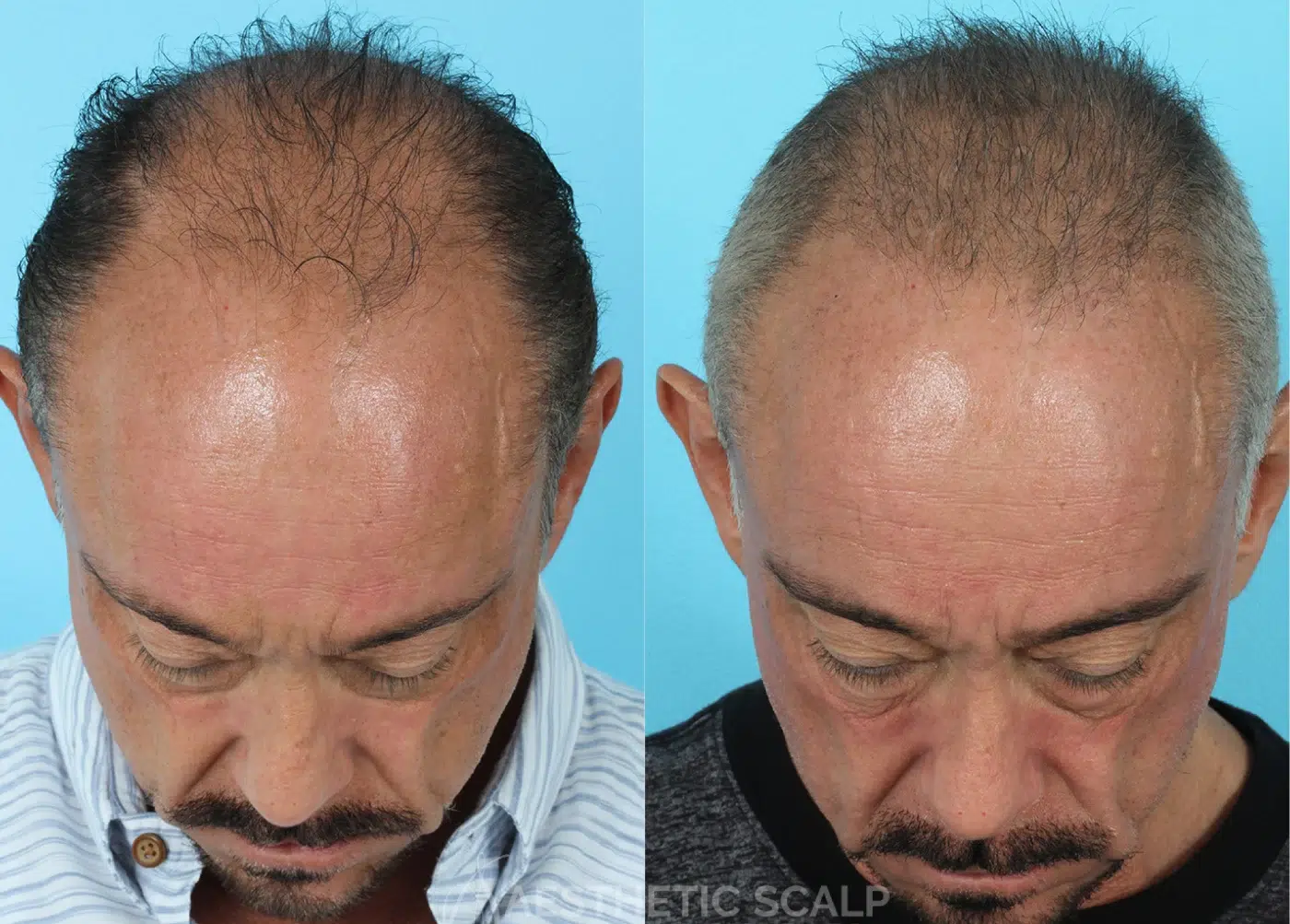
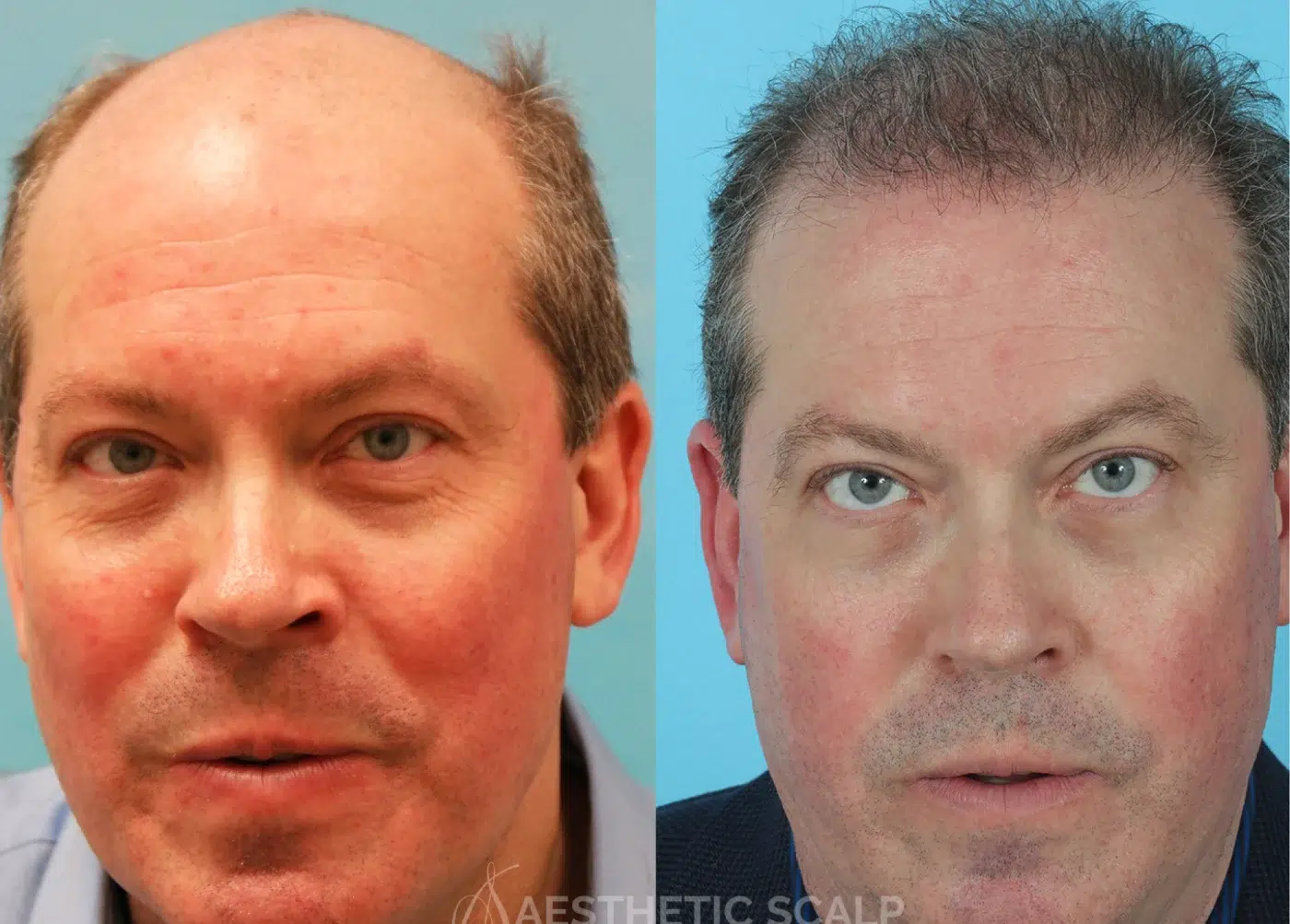
Hair cloning FAQ
Should I have hair transplant surgery with ARTAS® or wait for hair cloning?
The ability to generate new hair is an incredibly powerful tool. However, the professionals at Aesthetic Scalp will always recommend the safest and most effective options for patients. During your hair loss assessment, we may suggest alternatives like robotic hair transplant surgery.
Do other methods of hair restoration cause cancer?
Since hair cloning has been found to increase a person’s risk for cancer, you may be wondering about other hair restoration methods. None of our hair procedures at Aesthetic Scalp cause any type of cancer.
How is hair cloning different from FUE?
Unlike FUE, which relocates existing follicles from one scalp region to another, hair cloning aims to multiply hair cells in a laboratory before reintroducing them — theoretically removing donor hair limitations. FUE is a well-established, FDA-approved procedure with decades of proven safety and results, while hair cloning remains experimental and unapproved for clinical use.
How many grafts can hair cloning theoretically produce?
One of hair cloning's most promising aspects is that it could possibly generate an unlimited number of grafts from a small donor sample. This would be a significant advantage over current transplant methods, which are limited by the amount of donor hair available.
How long would hair cloning results last?
Because hair cloning has not been approved or widely practiced, its long-term durability remains unknown. By contrast, proven methods like FUE produce permanent results in treated areas with a well-documented track record.
Schedule Your Hair Restoration Consultation
Hair cloning isn’t available yet, but there’s no reason to wait for hair restoration. Today’s treatments are already delivering real, lasting results right now. Schedule a consultation at Aesthetic Scalp in Chicago and let Dr. Anil Shah or Dr. Sameea Chughtai evaluate your hair loss, discuss your goals, and recommend the approach best suited to help you look and feel your best.
Schedule a Consultation
Related Procedures
Videos
Watch Dr. Anil Shah and Dr. Sameea Chughtai share insights on the eyebrow transplant process, from graft design to healing and final results. These videos from Aesthetic Scalp Chicago highlight their precise technique, artistry, and real patient transformations in facial hair restoration.