

Female hair loss can be very emotionally impactful; we understand that at Aesthetic Scalp. That’s why our team of experienced professionals, led by Dr. Sameea Chughtai and Dr. Anil Shah, offers a full range of surgical and non-surgical hair restoration treatment options for female hair loss in Chicago.
What is Female Hair Loss?
Hair loss and pattern baldness are usually associated with men, but as many as one in four women will also experience some level of baldness during their lifetime. While hair loss is more frequent with men due to biological factors, roughly 40% of people who experience it today are women. Like men, women can inherit androgenic alopecia (female pattern baldness), which is often triggered by a similar response to DHT (dihydrotestosterone).
The factors that cause female baldness are more complex, including:
- Illness
- Hormonal changes due to menopause, pregnancy/childbirth, and thyroid problems
- Stopping birth control
- Medication
- Stress
- Tight hairstyles
- Genetics
- Cancer treatments (chemotherapy, radiation)

Signs of Female Hair Loss
Female pattern hair loss is often classified using the Ludwig Scale, a grading system that measures the progression of thinning across the top of the scalp — from mild diffuse thinning to more advanced loss. In many cases, women who are most likely to benefit from restorative hair solutions are those who
- Have noticed a receding hairline or hair thinning because of traction alopecia (wearing the hair too tightly)
- Have alopecia marginalis, a condition that closely resembles traction alopecia
- Notice thinning at the hairline or hairline recession
- Suffered hair loss as a result of an extreme injury, such as scars or compound burns
- Have had plastic surgery and are worried about the possibility of hair loss near the incision site
Diagnosis and Assessment
During your initial consultation, we will evaluate your scalp using advanced technologies to determine the extent of your hair loss, the depth of your follicles, and the amount of hair present in certain locations. Typically, we identify the cause of female pattern baldness by a careful process of elimination. This is because there are many possible causes of hair loss, and we need to rule out each one.
Treatment Options
To help women in the initial stages of female pattern baldness, we can perform non-surgical treatments (including PRP, exosomes, or low-level light therapy) to encourage the natural growth and strengthening of the hair follicles. These treatments are often effective for early-stage hair loss and can be used alone or in combination with other therapies.
If non-surgical solutions aren’t deemed strong enough to deliver the results you want or address your unique situation, we may combine PRP therapy with surgical hair restoration. At Aesthetic Scalp, we perform FUE (follicular unit extraction) using the highly advanced ARTAS® Robotic Hair Transplant system. This technique involves removing healthy hairs from their original locations and using them to fill in sparse areas, such as the hairline or specific bald patches.
Female Hair Loss Before & After Results
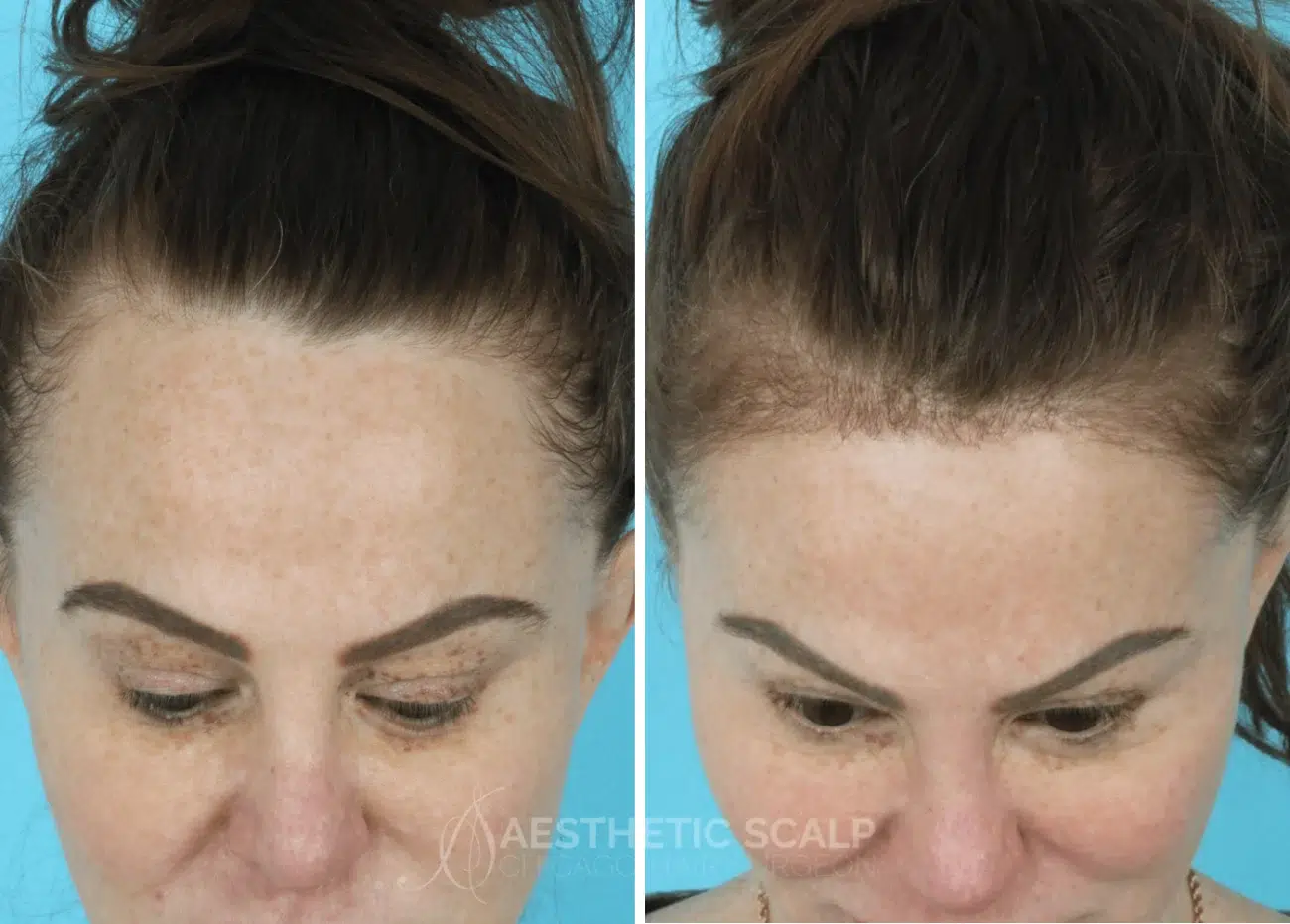
What to Expect After Treatment
Recovery experiences vary depending on the approach selected. For non-surgical treatments like PRP therapy, patients can return to normal activities immediately with minimal downtime. The scalp may be slightly tender for 24-48 hours, but this resolves quickly.
Patients should expect a recovery period of approximately 7-10 days or longer after surgical procedures such as FUE. Initial healing occurs within the first week, with any minor swelling or redness subsiding during this time.
Transplanted hair may initially shed within 2-3 weeks, which is completely normal as part of the natural growth cycle. New hair growth usually starts to become visible after around 3-4 months.
Many women are also pleased to learn that their procedure can remain entirely private during recovery. For non-surgical treatments, any redness at injection sites typically fades within a day and can be easily concealed with loose, natural styling. For FUE patients, the donor area can be covered by wearing the surrounding hair down.
Why Choose Aesthetic Scalp
Dr. Sameea Chughtai is a board-certified physician with over a decade of specialized experience in regenerative medicine, hormone therapy, and female pattern hair loss. Having personally experienced hair loss during pregnancy and as a medication side effect, she brings genuine empathy and firsthand understanding to every consultation — particularly regarding the hormonal factors and aesthetic concerns unique to women.
Alongside Dr. Chughtai, double board-certified facial plastic surgeon Dr. Anil Shah brings fellowship-trained surgical expertise and authorship of over 50 peer-reviewed scientific articles to every case. Together, they offer a full continuum of care — from regenerative therapies to robotic FUE surgery. Their boutique, one-procedure-per-day model ensures every patient receives undivided attention and truly personalized care.

Benefits of Female Hair Restoration
- Permanent, natural-looking results
- Increased self-confidence and improved quality of life
- Hair that grows and can be styled naturally
- No need for ongoing maintenance or replacement
- Stimulates natural healing processes
- Can slow or stop further hair loss
How Much Does Women’s Hair Restoration Cost?
The cost of hair restoration varies significantly based on individual needs and treatment complexity, with non-surgical options typically requiring multiple sessions. During your consultation, we’ll provide a detailed price breakdown. Remember, acting sooner rather than later usually means getting to choose a less extensive and more affordable treatment plan. If you’d like assistance managing the cost of care, we’re proud to offer financing for qualifying patients.
Female Hair Loss FAQ
How can I stop or prevent hair loss?
Although there is no way to completely stop hair loss caused by genetics or aging, you can take some simple steps to help protect your hair. These include:
- Be kind to your hair. Avoid pulling on it when brushing or combing, and avoid harsh treatments (perms, hot rollers, curling irons, hot oil treatments, etc.) You should also steer clear of tight hairstyles like buns, which can cause traction alopecia.
- Talk to your doctor about any medications or supplements you are taking.
- Stop smoking. Cigarette smoking has been linked to hair loss and baldness.
- Protect your hair from sunlight and other UV light sources with hats or wraps.
- With your doctor’s approval, a cooling cap could help reduce the risk of losing your hair during chemotherapy.
What are the differences between male and female hair loss patterns?
Male pattern baldness frequently follows a predictable pattern, starting with a receding hairline and crown thinning, and progressing to partial or complete baldness. Female pattern hair loss usually presents as diffuse thinning across the top of the scalp (without a receding hairline). Women also rarely experience the same degree of complete baldness as men, instead showing reduced hair density and volume.
Can female hair loss affect eyebrows and eyelashes as well?
Certain conditions, such as alopecia areata and frontal fibrosing alopecia, can cause hair loss beyond the scalp, including the eyebrows and eyelashes. Women experiencing thinning in these areas alongside scalp hair loss should mention it during their consultation, as it may inform both the diagnosis and the recommended treatment plan.
Will I have to shave my head before treatment?
For most women undergoing FUE, only a small portion of the donor area needs to be trimmed rather than the entire head. The surrounding hair can be styled to cover it immediately after the procedure. Non-surgical treatments (like PRP and exosome therapy) require no shaving whatsoever, making them particularly discreet options for women concerned about maintaining their appearance during treatment.
Does hair restoration work if I wear extensions or weaves?
Hair restoration treatments address the health and growth of your natural follicles directly, so wearing extensions or weaves does not impact the effectiveness of procedures like FUE or PRP therapy. However, it’s important to avoid tight extensions or weaves during your recovery period, as scalp tension can interfere with healing and potentially stress newly transplanted or treated follicles.
Getting Professional Help
There is a range of solutions available for female hair loss in Chicago. While there is no absolute cure for baldness, these treatments can potentially slow, stop, or even reverse hair loss. Don’t let baldness rob you of your confidence and quality of life. Contact Aesthetic Scalp today, and let’s start working on your personalized hair restoration strategy.
Schedule a
Consultation
Related Procedures
Our female hair loss treatments include medical therapies, PRP, and targeted hair transplants designed to restore thickness and balance while maintaining a soft, natural appearance.
Related Blog
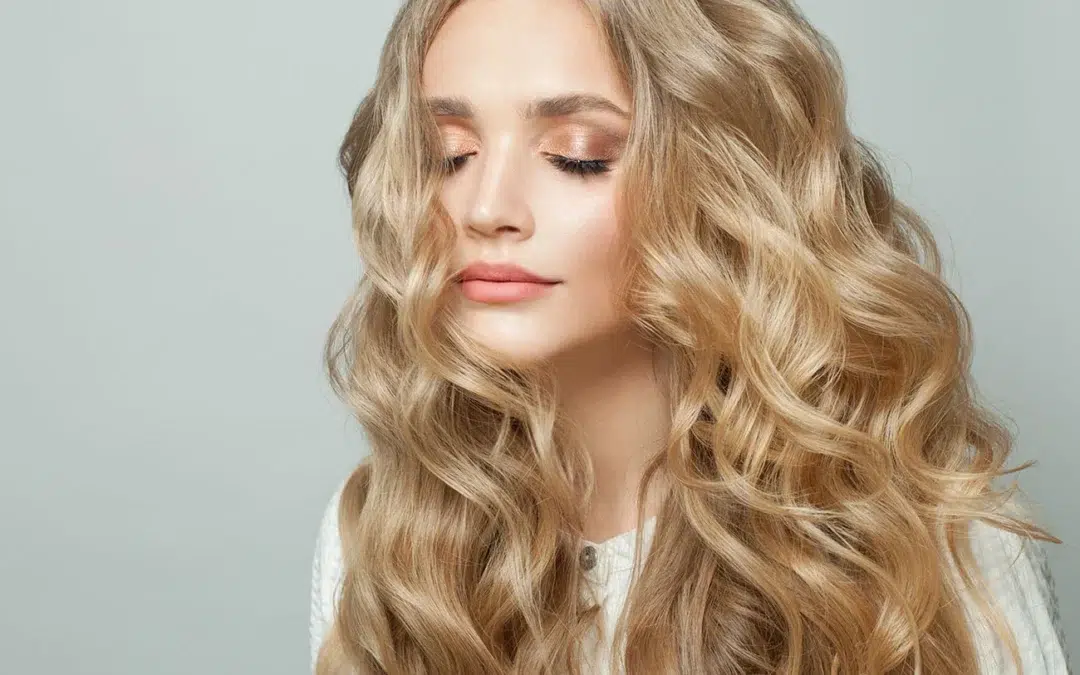
Celebrity Hair Transformations Are Fun — Hair Loss Decisions Should Be Slower
Celebrity hair changes are entertaining. A pixie cut. A darker color. A shaved head. Extensions. A new hairline. A dramatic red carpet reveal. It’s easy to see why these moments travel online. Hair changes the whole image fast. But in…
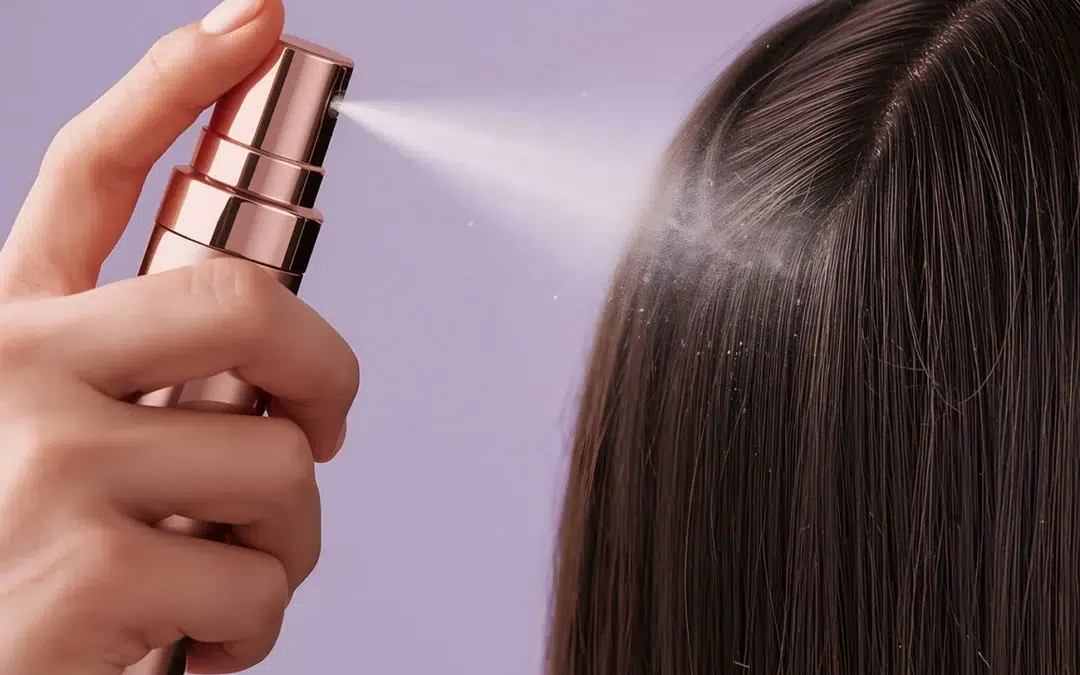
Hair Fibers, Root Sprays, and Confidence Tools
Hair fibers and root sprays are everywhere for a reason: they work quickly. A few sprays, a little powder, and some strategic styling can make your part look denser or your crown less exposed. For a wedding, a meeting, a…

GLP-1 Weight Loss and Hair Shedding: Don’t Panic, Make a Plan
GLP-1 medications have changed the weight-loss conversation. But they’ve also affected the way we talk about hair. Patients are losing weight, feeling better in their bodies, and then suddenly noticing more hair in the shower, on the pillow, or in…

A Hair Transplant Shouldn’t Look Like a Hair Transplant
The best hair transplant is usually the one people don’t notice. They may think you look younger. They may think you changed your haircut. They may think you look healthier or more rested. They may not know what changed at…
Related Videos
Hear from Dr. Sameea Chughtai and Dr. Anil Shah as they explain the causes of female hair thinning and the personalized solutions that help women regain confidence and density.